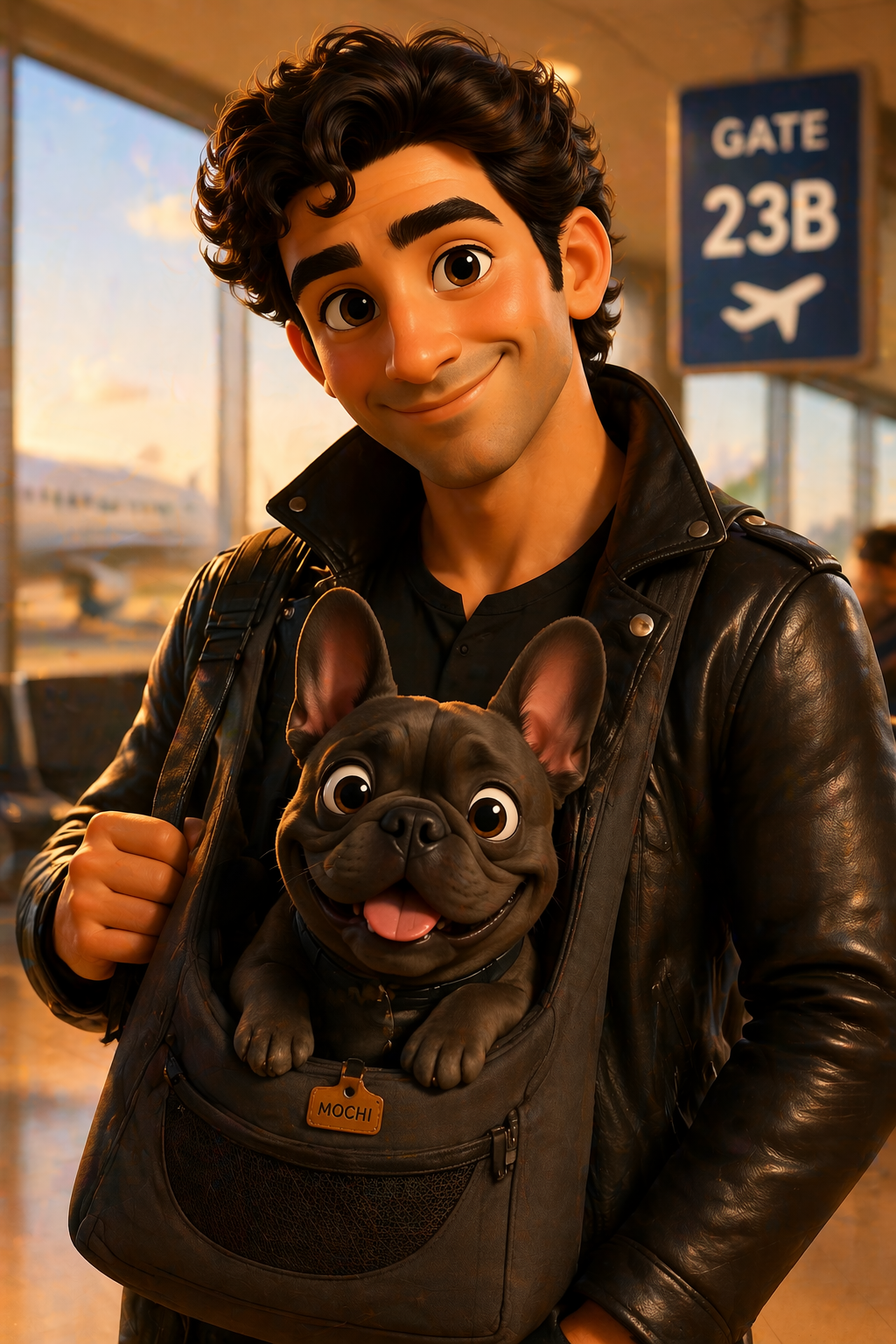
Here's what nobody tells you about Ethiopia: the entry rules hinge on getting your documentation in the right order, not on how organized you feel the week before. Miss the sequence and you're rebooking flights. Mochi and I learned that a customs window doesn't care about good intentions, only about the dates printed on paper. Start with the requirements and work backward from your departure.
Bringing a pet to Ethiopia requires three documents in the right order: a microchip, a rabies vaccine within the destination's wait window, and a government-endorsed health certificate. The table below lays out exactly what's required, what's not, and where each rule comes from.
Ethiopia isn't the trip that catches people out because it's difficult. It catches them out because they wing it. Do yourself the favor of letting Pawgo build a personalized plan around your real dates, so every vaccination and signature lands exactly where it should. It's cheaper than a rebooked flight and a lot less sweat at the counter.
Glossary
- ISO chip
- ISO 11784/11785 — the universal microchip standard.
- FAVN
- Fluorescent Antibody Virus Neutralization — a rabies serology test required by rabies-free destinations.
- Brachycephalic
- Snub-nosed breeds (French Bulldogs, Pugs, Persians, Himalayans) with restricted airline acceptance due to heat-stress risk.
- AVIH
- Animal Vehicle In Hold — IATA's term for cargo pet shipment, with fees that vary by carrier and route.