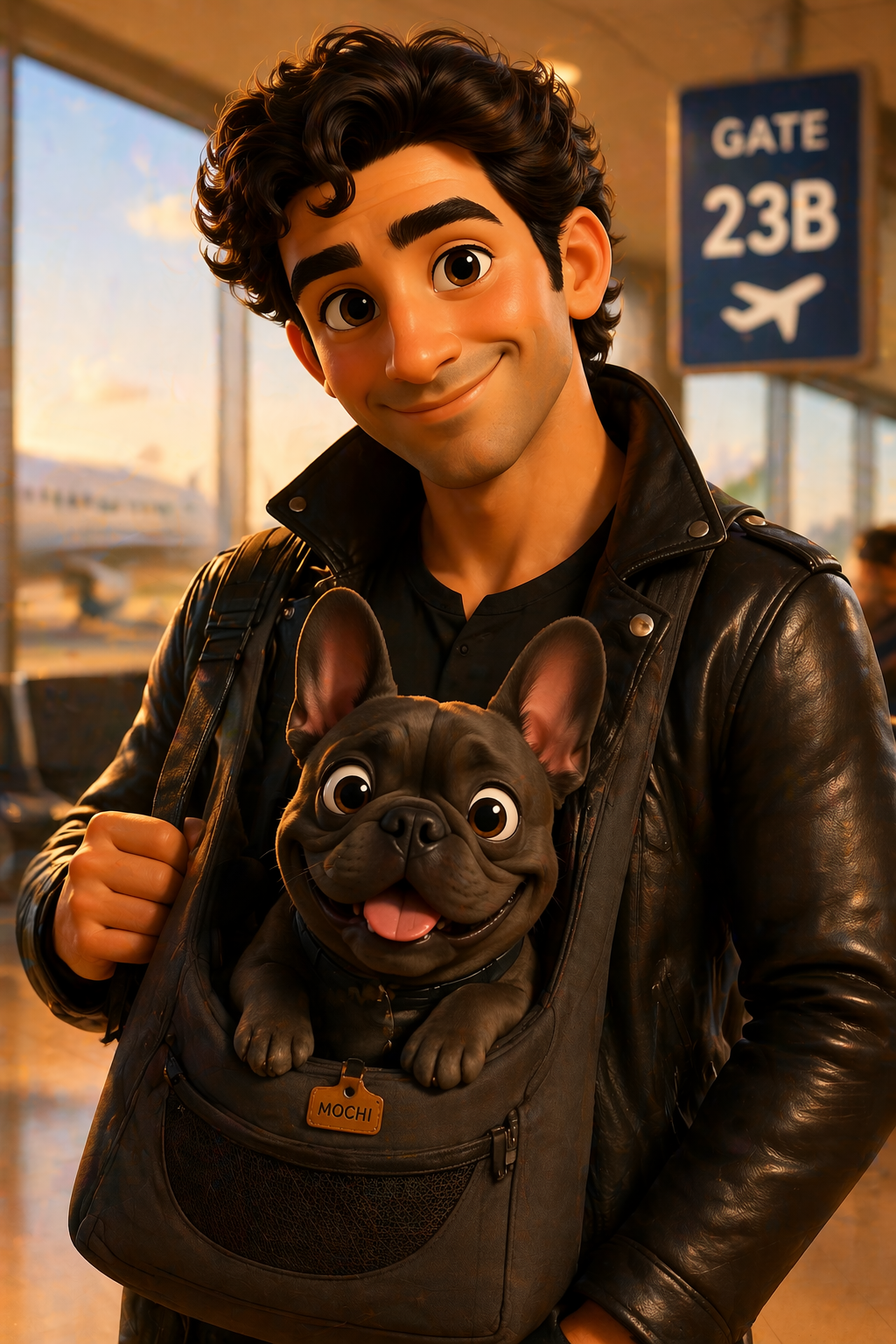
Flying with Your Pet on Wings Air: What You Need to Know

I've moved internationally three times with Cooper, my 28kg Golden Retriever, and I've learned that the difference between a smooth pet flight and a stressful one comes down to one thing: knowing your airline's exact rules before you book. Wings Air has specific policies about how pets travel, and I'm going to walk you through every detail so you can plan with confidence.

Here's what I discovered about Wings Air: they do not allow pets in the cabin. This is a critical detail that changes your entire travel strategy. But don't worry—there are still ways to fly with your pet, and I'll explain all your options below.

Key Numbers at a Glance

  • Cabin pets: Not permitted
  • Cabin carrier weight limit: 8 kg (pet + carrier combined)
  • Cabin carrier dimensions: 45.7 cm L × 27.9 cm W × 27.9 cm H (18" × 11" × 11")
  • Cargo/checked baggage minimum age: 10 weeks old
  • Cabin minimum age: 8 weeks old (if applicable)
  • Health certificate validity: 10 days before departure
  • Heat embargo threshold: 29.4°C (85°F)
  • Cold embargo threshold: -6.7°C (20°F)
  • Advance booking: Required—don't show up at the airport without pre-booking

Can Your Pet Fly on Wings Air?

Wings Air's policy is straightforward: pets cannot travel in the cabin with you. This means if you're flying with a small dog or cat, they won't be sitting under the seat in front of you during the flight.

However, Wings Air does permit pets to travel via cargo or checked baggage. This is the route I took with Cooper on my second international move, and while it requires more planning, it works well for larger dogs who wouldn't fit in a cabin carrier anyway.

If you have a service dog, we're still verifying whether they're exempt from this policy—contact Wings Air directly to confirm their status, as service animals often have different rules.

Traveling with Small Pets: Cargo & Checked Baggage Requirements

Since cabin travel isn't an option, your small cat or toy dog will travel in the cargo hold or checked baggage area. This requires a properly equipped carrier and advance planning.

Carrier Specifications for Cargo/Checked Baggage

The carrier is non-negotiable. Here's what you need:

  • Type: Hard-sided crate only (soft-sided carriers are not accepted for cargo)
  • IATA compliance: Your crate must meet IATA Live Animals Regulations (LAR) standards. This is the international standard for pet air transport. Look for crates labeled "IATA-approved" or "IATA-compliant."
  • Ventilation: Openings on at least three sides are required by IATA standards
  • Water bowl: An attached, external water bowl or trough that can be filled from outside the crate is mandatory
  • Absorbent liner: Place an absorbent mat or pad inside to manage accidents during the flight
  • Live Animals labels: Your crate must display "Live Animals" labels with orientation arrows on at least two sides

When I shipped Cooper, I invested in a quality hard-sided airline crate from a pet supply store. It cost more upfront, but it was worth the peace of mind knowing it met all regulations. Don't try to improvise with a regular pet carrier—it won't be accepted.

Age Requirements

Your pet must be at least 10 weeks old and fully weaned to travel via cargo or checked baggage. Younger animals aren't permitted due to health and stress concerns.

Breed Restrictions: Brachycephalic (Snub-Nosed) Breeds

Wings Air, like virtually all airlines, restricts brachycephalic breeds in cargo due to serious respiratory risks during flight. These breeds include:

  • Bulldogs (all types: English, French, American)
  • Pugs (all types)
  • Boxers
  • Boston Terriers
  • Shih Tzus
  • Pekingese
  • Chow Chows
  • Shar Peis
  • Japanese Chins
  • Cavalier King Charles Spaniels
  • Mastiffs (all types)
  • Staffordshire Bull Terriers
  • American Pit Bull Terriers
  • Cane Corsos
  • Dogue de Bordeaux
  • Presa Canarios

If your breed is on this list, contact Wings Air directly—some airlines make exceptions with veterinary acclimation certificates, though this is rare. See our brachycephalic breed flying guide for more options.

Temperature Restrictions

Wings Air will not transport pets in cargo if temperatures exceed certain thresholds:

  • Heat embargo: 29.4°C (85°F) at origin or destination
  • Cold embargo: -6.7°C (20°F) at origin or destination

If your destination is in summer heat or winter cold, your flight may be cancelled or rescheduled. You can sometimes override the cold embargo with a veterinary acclimation certificate, but heat embargoes are rarely waived. Plan your travel dates around these restrictions.

Pregnant & Animals in Heat

Wings Air does not accept visibly pregnant animals for air travel due to health risks during flight. If your pet is pregnant, confirm directly with the airline before booking. Animals in heat status—we're still verifying this policy, so contact Wings Air directly.

Health Documentation: The Non-Negotiable Requirement

This is where most people slip up, and I learned this the hard way on my first move. You must have a vet-issued health certificate—even if Wings Air's website doesn't explicitly mention it, you will be denied boarding without one.

Health Certificate Rules

  • Issued within: 10 days of your departure date (some destinations require 7 days—check with your destination country)
  • Issued by: A licensed veterinarian
  • What it covers: Confirmation that your pet is healthy, vaccinated (especially rabies), and fit to fly
  • Cost: Typically $50–$150 USD, depending on your vet

Schedule your vet appointment at least 2 weeks before departure. Don't wait until the last minute—if your vet finds an issue, you'll need time to address it. I always get Cooper's certificate 5 days before departure to be safe.

Check your destination country's import requirements too. Some countries require additional permits or specific vaccinations. See our pet travel documents checklist for a complete breakdown.

Sedation: What You Must Know

Do not sedate your pet for air travel. IATA (International Air Transport Association) regulations explicitly prohibit sedation because a sedated animal cannot maintain equilibrium or respond to emergencies. This applies to all commercial airlines worldwide, including Wings Air.

If your vet suggests sedation, ask them to clarify—they may mean something different, or they may not be familiar with air travel regulations. Stick to the rules.

Booking Your Pet's Flight

You cannot show up at the airport with a pet without advance booking. Wings Air limits the number of pets per flight, so you must pre-book your pet as soon as you book your own ticket.

  • Contact Wings Air directly to add your pet to your reservation
  • Provide your pet's name, breed, age, and weight
  • Confirm the carrier requirements and any fees
  • Ask about their specific cargo/checked baggage procedures

We're still verifying Wings Air's exact booking method and any associated fees—contact them directly for current pricing and procedures.

What You Need to Do: Your Pre-Flight Checklist

10–12 weeks before departure:

  • Confirm Wings Air's current pet policy and booking procedures
  • Check if your pet's breed is restricted
  • Review your destination country's import requirements

8–10 weeks before departure:

  • Purchase or rent an IATA-compliant hard-sided crate
  • Get your pet's health certificate from your vet (must be within 10 days of departure)
  • Ensure your pet is at least 10 weeks old (for cargo) or 8 weeks old (if cabin were available)

4–6 weeks before departure:

  • Book your flight and pre-book your pet with Wings Air
  • Confirm all carrier specifications and temperature restrictions
  • Arrange any necessary import permits for your destination

2 weeks before departure:

  • Schedule your vet appointment for the health certificate
  • Prepare the crate with absorbent liner and water bowl
  • Practice acclimating your pet to the crate

1 week before departure:

  • Collect your health certificate from your vet
  • Confirm all booking details with Wings Air
  • Pack your pet's essentials (food, water, medications, comfort items)

Day of departure:

  • Arrive early and check in your pet with the cargo/baggage team
  • Bring your health certificate and any import permits
  • Confirm your pet's flight details before you board

Practical Tips from My Experience

Moving Cooper internationally taught me a few things:

  • Call ahead, always. Policies change, and email confirmations get lost. Call Wings Air directly to confirm every detail before you travel.
  • Invest in a quality crate. A cheap crate might not meet IATA standards and could be rejected at check-in. I spent $200 on Cooper's crate, and it was worth every penny.
  • Acclimate your pet early. Leave the crate open at home for weeks before the flight. Let your pet explore it, sleep in it, and feel comfortable. This reduces stress on travel day.
  • Check temperatures obsessively. If you're traveling in summer or winter, monitor forecasts for both origin and destination. A heat wave could cancel your flight.
  • Bring extra documentation. Carry copies of your health certificate, import permits, and booking confirmations. Bring more than you think you'll need.

Need More Help?

Pet travel can feel overwhelming, but you've got this. For a comprehensive overview of costs, see our pet travel costs guide. For detailed information about flying with dogs specifically, check out our flying with a dog guide.

Get your free personalized travel plan from Pawgo—they'll help you navigate every step of the process based on your specific route and pet.


Data last verified: January 2025. This information is auto-verified from official Wings Air sources. Policies change—always confirm directly with Wings Air before booking. We're still verifying some details (service animals, specific fees, booking methods)—contact the airline directly for the most current information.

Auto-generated from verified data · Last updated: April 22, 2026