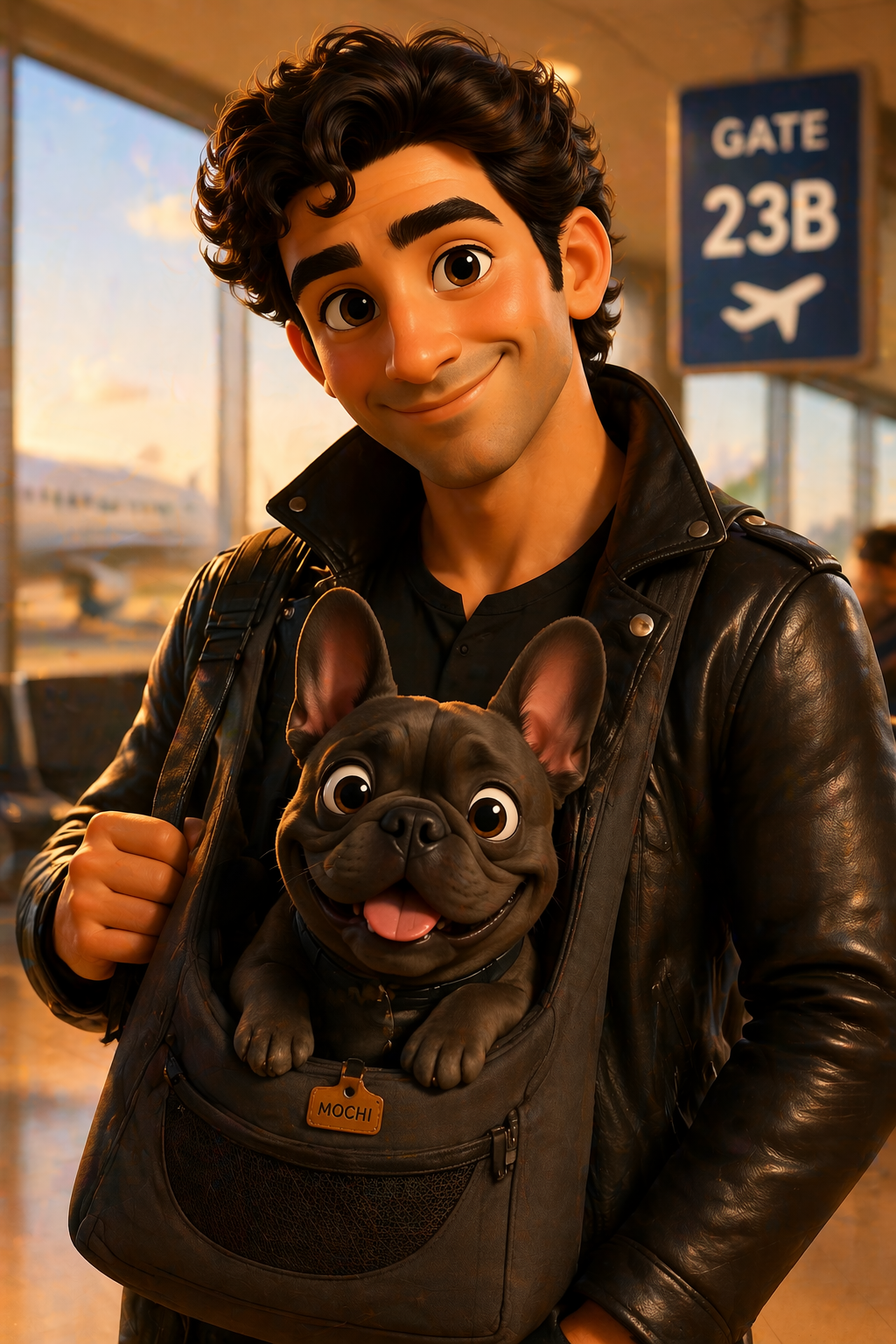
Marco · with Mochi (French Bulldog, 6kg) “Mochi judges the queue length, not me.” Meet all guides →
About this guide ↓
This guide was generated by Pawgo's AI using verified data from official sources. Marco is a fictional persona — the data is real.
Here's what nobody tells you about Bhutan: the permits matter as much as the passport stamp. The Bhutan Food and Drug Authority runs imports, applies a twenty-one day rabies waiting period, and quarantines arriving animals. I learned to treat those lead times as fixed walls, not suggestions. Line the dates up early and the Himalayas are the only hard part.
Bringing a pet to Bhutan requires three documents in the right order: a microchip, a rabies vaccine within the destination's wait window, and a government-endorsed health certificate. The table below lays out exactly what's required, what's not, and where each rule comes from.
How Bhutan handles your pet
the animal must not be more than 42 days pregnant at the date of entry. Animals must be weaned (minimum of 60 days old).
Import permit · Documents required to obtainvalid import permit issued by BFDA, zoo-sanitary certificate signed by the official veterinarian in the exporting countryverified 2026-07-20
Health certificate · Issuerofficial_vetverified 2026-07-20
Health certificate · Required✓ Yesverified 2026-08-13
Health certificate · Endorsed byofficial veterinarianverified 2026-08-04
Health certificate · Government endorsed✓ Yesverified 2026-07-20
Import permit · Documents required to obtainvalid import permit issued by BFDA, zoo-sanitary certificate signed by the official veterinarian in the exporting countryverified 2026-07-20
Health certificate · Issuerofficial_vetverified 2026-07-20
Health certificate · Required✓ Yesverified 2026-08-04
Day -90 microchip implant · Day -21 rabies vaccine deadline · Day 0 arrive at customs
Bhutan requires a waiting period after the rabies vaccination before the animal travels. Vaccinate at least 21 days before the arrival date, and confirm the vaccine certificate shows the injection date clearly. A rabies shot given too close to departure resets the clock and can push the entire trip back by weeks.
Imported animals are subject to quarantine, and for commercial imports the stay runs 15 days at the designated quarantine station. Confirm whether the trip is classed as personal or commercial, because that classification decides the quarantine terms. Prepare for a possible 15-day hold and identify the assigned station before arrival in Bhutan.
The import permit carries a fee of Nu 100 per permit for individuals and Nu 300 per permit for commercial imports, valid for one month. Apply for the permit and budget the correct fee for your category before booking. A permit issued too early can lapse within its short validity, forcing a repeat application and fee.
Bhutan is strict but predictable once the permit, the 21-day rabies clock, and the quarantine window are mapped in order. Mochi judges the queue length, not the altitude, and a prepared file keeps that queue short. Drop your dates into a Pawgo plan and let the personalized plan track each permit fee and deadline through arrival.
ISO 11784/11785 — the universal microchip standard.
FAVN
Fluorescent Antibody Virus Neutralization — a rabies serology test required by rabies-free destinations.
Brachycephalic
Snub-nosed breeds (French Bulldogs, Pugs, Persians, Himalayans) with restricted airline acceptance due to heat-stress risk.
AVIH
Animal Vehicle In Hold — IATA's term for cargo pet shipment, with fees that vary by carrier and route.
Auto-generated from verified government data · Last updated: August 19, 2026
Frequently Asked Questions
Does Bhutan require rabies vaccination for dogs?
Yes, Bhutan requires a rabies vaccination for imported dogs. There is a 21-day waiting period after vaccination. Exact timing depends on your origin country — compute your timeline at www.pawgo.fr.Build my pet's travel plan →
Is there a quarantine period for pets entering Bhutan?
Yes, Bhutan requires quarantine for imported pets. The quarantine period is 15 days. Exemptions may apply based on your origin country. Check your specific case at www.pawgo.fr.Build my pet's travel plan →
Does Bhutan require a microchip for pets?
Yes, Bhutan requires an ISO-compliant microchip. The microchip must typically be implanted before rabies vaccination. Get your full checklist at www.pawgo.fr.Build my pet's travel plan →
What health certificate does Bhutan require for pets?
Bhutan requires a veterinary health certificate for imported pets. Government endorsement is required. Get exact document requirements at www.pawgo.fr.Build my pet's travel plan →
Do I need a pet import permit for Bhutan?
Yes, Bhutan requires an import permit for pets. Lead time varies — apply well in advance. Get your full preparation timeline at www.pawgo.fr.Build my pet's travel plan →
Does my pet need a microchip for Bhutan?
Yes. Bhutan requires an ISO-standard microchip, and it must be fitted before the rabies vaccination to be valid.Build my pet's travel plan →
What if my flight is delayed past my health certificate validity?
If the certificate window expires before you board, you'll need a re-issue. Build a 1-2 day buffer between the cert date and departure to absorb minor delays.Build my pet's travel plan →
What happens if I forget a document?
At the destination airport: at best, an extended inspection while you produce backup; at worst, the pet is held in quarantine or returned to origin at your cost. Bring printed copies.Build my pet's travel plan →
Traveling to Bhutan?
Get a personalized travel checklist with exact deadlines for your pet.