Flying with Pets from France to South Korea: The Complete Traveler's Guide
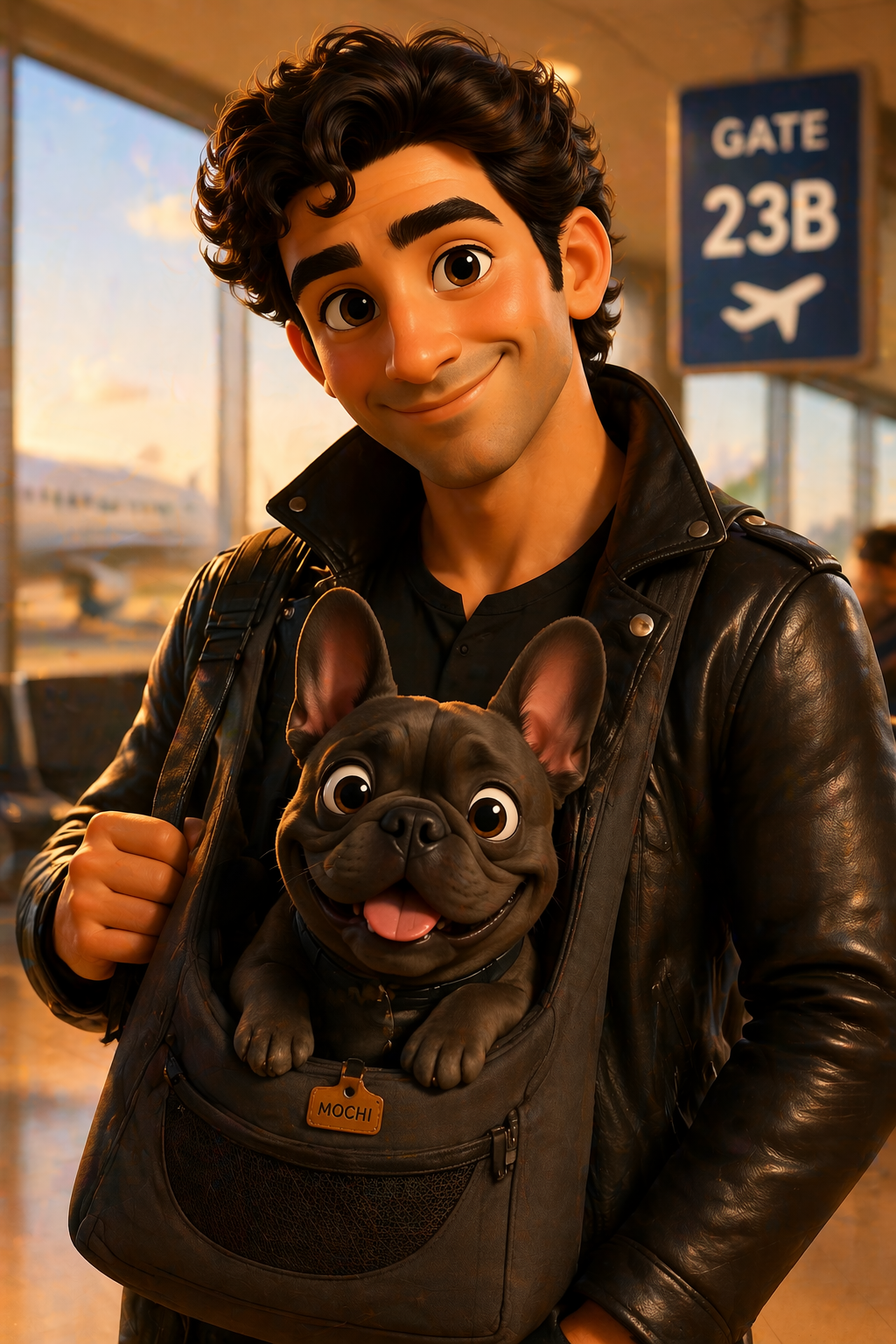
I learned the hard way that traveling internationally with a pet isn't like booking a flight for yourself. When I decided to move Mochi, my 11 kg French Bulldog, from Paris to Seoul, I thought I had a straightforward task. Spoiler: I didn't. Here's what nobody tells you about this route, and what I wish someone had explained to me before I started the process.
The Brachycephalic Breed Reality Check
Let me start with the biggest gotcha: every single airline on the France-to-South Korea route bans brachycephalic breeds from the cabin. That includes French Bulldogs, Pugs, Bulldogs, Boston Terriers, Shih Tzus, and Pekingese. I discovered this the hard way when I called Air France to book Mochi's cabin seat.
Here's what I didn't know: brachycephalic breeds—dogs with flat, pushed-in faces—are at serious risk of respiratory distress during air travel. The pressure changes, temperature fluctuations, and stress can literally be life-threatening. Every airline on this route (Air France, Lufthansa, British Airways, Delta, and United) has banned them from cabins. No exceptions. No special requests. No "but my dog is special."
If you have a brachycephalic pet, your only option is cargo transport, which comes with its own set of challenges and costs. For more on this, check out our brachycephalic breed flying guide.
Airline Comparison: What Your Options Actually Are
Not all airlines serving this route are equal. Here's the breakdown:
| Airline | Cabin | Cargo | Brachy OK | Weight Limit | Fee |
|---|---|---|---|---|---|
| Air France | Yes | Yes | No | 8 kg | €75 |
| Lufthansa | Yes | Yes | No | 8 kg | €75 |
| British Airways | No | Yes | No | 8 kg | Cargo only |
| Delta | Yes | Yes | No | 8 kg | $125 |
| United | Yes | No | No | 8 kg | $150 |
Notice something? Every airline has an 8 kg weight limit for cabin pets. Mochi weighs 11 kg, which means she's automatically disqualified from cabin travel on this route—even if she weren't a brachycephalic breed. If your pet is under 8 kg and not flat-faced, Air France and Lufthansa offer the most affordable cabin options at €75.
The Documentation Gauntlet: What You Actually Need
Here's where the real work begins. South Korea doesn't mess around with pet imports. You'll need:
- ISO 11784/11785 Microchip — implanted BEFORE any rabies vaccination. This is non-negotiable. The microchip must come first, or your pet's vaccination won't count.
- Rabies Vaccination — required for all dogs and cats. The vaccine must be at least 21 days old before travel (for France export) and at least 30 days old for South Korea import.
- Rabies Titer Test — This is the big one. Your pet's blood must be tested at an approved laboratory at least 30 days after rabies vaccination. The result must show ≥0.5 IU/ml. This test is mandatory for South Korea.
- Health Certificate — issued by an accredited veterinarian and endorsed by the French government veterinary authority. Valid for only 10 days from issue date.
- Import Permit from APQA — The Animal and Plant Quarantine Agency must approve your pet before arrival. Apply at least 30 days ahead.
I wish someone had told me this timeline upfront: if you're vaccinating your pet for the first time, add 21 days. Then add 30 days for the titer test. Then add 30 days to apply for the import permit. That's 81 days minimum. Start planning four months before your travel date.
The Quarantine Question: Can You Actually Skip It?
Here's the good news: South Korea requires 30 days of quarantine, but it can be completely waived if your documentation is perfect. I'm talking microchip, vaccination, titer test, health certificate, and import permit all in order.
The bad news? If you're missing even one piece, your pet goes into quarantine for the full 30 days at your expense. And here's what nobody tells you: quarantine facilities in South Korea are functional but not luxurious. Your pet will be confined to a small space, separated from you, with minimal enrichment. It's stressful for both of you.
Get everything done right the first time. The cost of perfect documentation is far less than 30 days of quarantine fees plus the emotional toll.
Port of Entry: Incheon Only
Here's another detail that matters: South Korea only accepts pets at Incheon International Airport. If your flight arrives elsewhere, you'll have problems. Make sure your itinerary routes through Incheon.
Tapeworm Treatment: The Often-Forgotten Step
Both France and South Korea don't technically require tapeworm treatment, but here's what I learned: it's strongly recommended as a health precaution. If you do treat your dog, use Praziquantel and document it with your vet. The treatment must happen between 24 and 120 hours before arrival.
Breed Restrictions in South Korea
If you have a dog, check this list: American Staffordshire Terriers, Rottweilers, and Tosas are restricted or banned in South Korea. Cats have no breed restrictions. This is separate from the brachycephalic airline ban—it's a South Korean import rule.
The Emotional Support Animal Myth
If you were hoping to bring an emotional support animal (ESA) and skip some requirements: South Korea doesn't recognize ESAs. Your ESA is treated as a regular pet with full import requirements, quarantine rules, and airline fees. Only trained assistance dogs with accredited documentation get any accommodations, and even then, you still need all the standard documentation.
Practical Timeline for Your Move
Here's the month-by-month breakdown I wish I'd had:
- Month 1: Schedule vet appointment. Ensure microchip is implanted before any vaccination.
- Month 1-2: Get rabies vaccination (if not already current).
- Month 2-3: Schedule rabies titer test at an approved lab, at least 30 days post-vaccination.
- Month 3: Once titer results are back, apply for APQA import permit.
- Month 3-4: Get health certificate from your vet (within 10 days of travel).
- Month 4: Book your flight. Arrange cargo transport if needed.
- Travel day: Arrive at Incheon with all original documents.
The Real Cost of This Journey
Let's be honest about money. You're looking at:
- Microchip: €50–100
- Rabies vaccination: €50–80
- Titer test: €100–150
- Health certificate: €50–100
- Import permit: varies (check APQA)
- Airline pet fee: €75–$150
- Cargo transport (if needed): €1,500–3,000+
For Mochi, the total came to over €2,500 when you factor in cargo transport. It's not cheap, but it's the cost of bringing your pet safely across the world.
My Honest Takeaway
Flying with a pet from France to South Korea is doable, but it requires obsessive attention to detail and serious advance planning. If you have a brachycephalic breed like Mochi, cargo is your only option—and it's expensive and stressful. If you have a smaller, non-flat-faced pet under 8 kg, cabin travel is possible and more affordable.
The key is starting early, getting all documentation right, and not cutting corners. One missing piece of paper means 30 days of quarantine and heartbreak.
For a complete checklist of everything you need, check out our pet travel documents checklist. And for more on flying with dogs generally, see our flying with a dog guide.
Get your free personalized travel plan from Pawgo — it'll walk you through every step specific to your pet and route.
Data verified from official sources including French government veterinary authority, South Korea's Animal and Plant Quarantine Agency (APQA), and airline policies. Information is auto-updated as of April 2026.